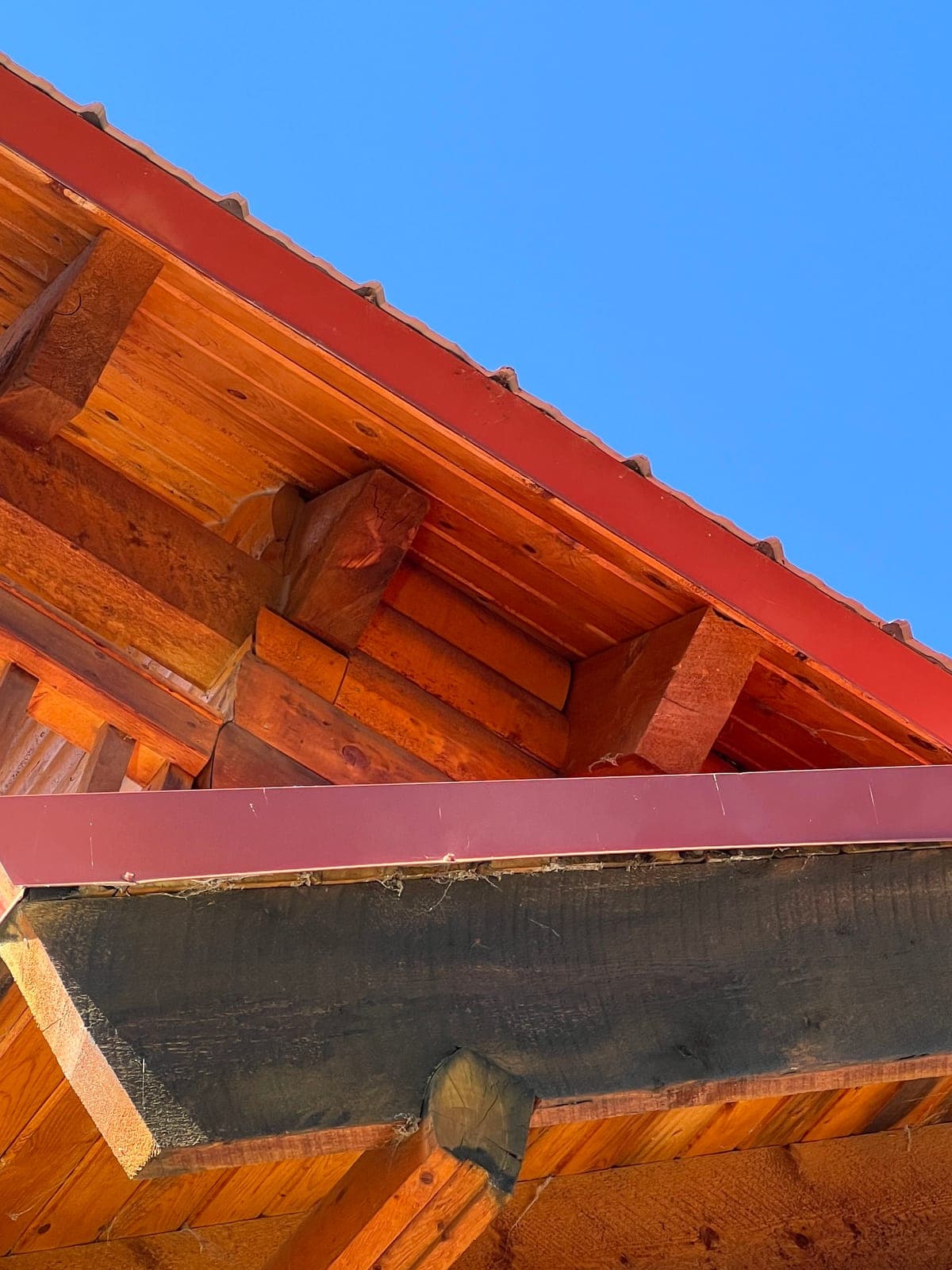
Whole-structure inspection
Roofline, fascia, soffits, ridge and gable vents, chimney chases, siding transitions, and attic. We document active entries (rub marks, droppings) and potential ones.
Our service
Humane, one-way exclusion that gets bats out of your attic or walls and keeps them out — done the way Montana Fish, Wildlife & Parks recommends.
Roofline, fascia, soffits, ridge and gable vents, chimney chases, siding transitions, and attic. We document active entries (rub marks, droppings) and potential ones.
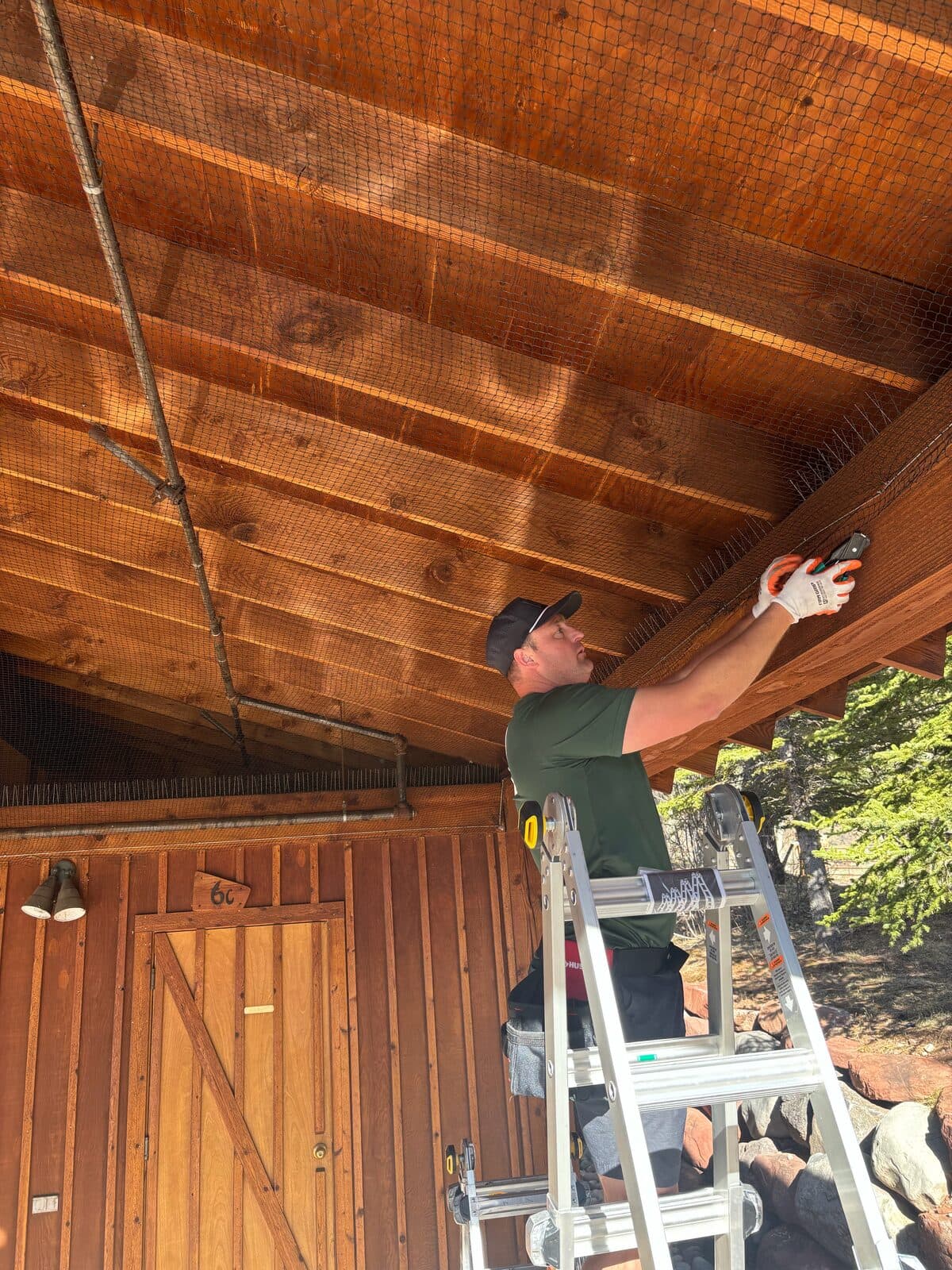
Netting or tubes over active entries let bats leave at dusk but not return. Per FWP's guidance, devices stay at least five nights including three good flying-weather nights (above 50°F, wind under 10 mph).
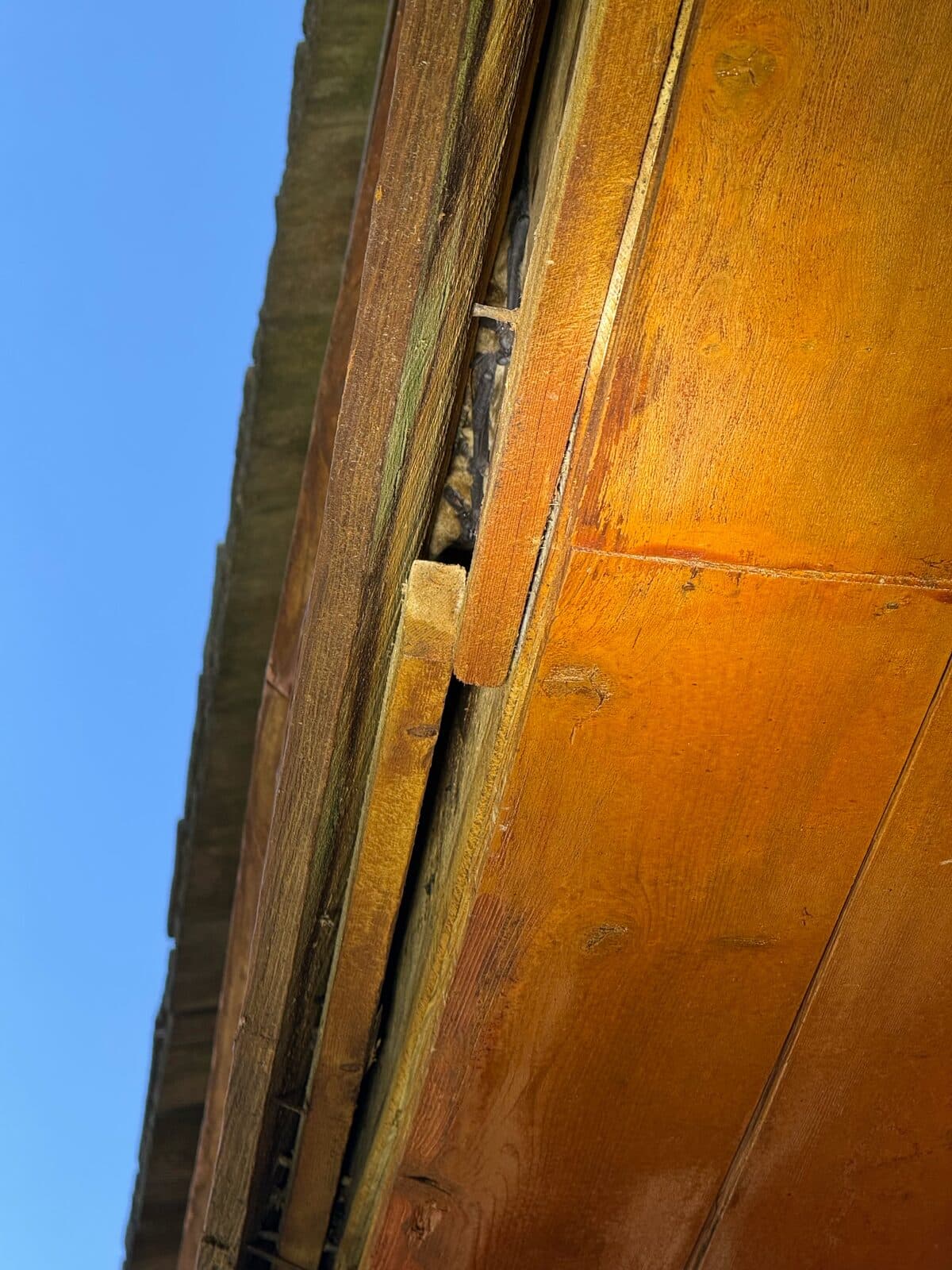
Gaps are sealed with materials suited to the surface — sealant, flashing, screening, or trim repair. Montana guidance notes bats can use slits of about 3/8 inch; FWP's exclusion plan recommends sealing crevices of 1/4 inch or more.
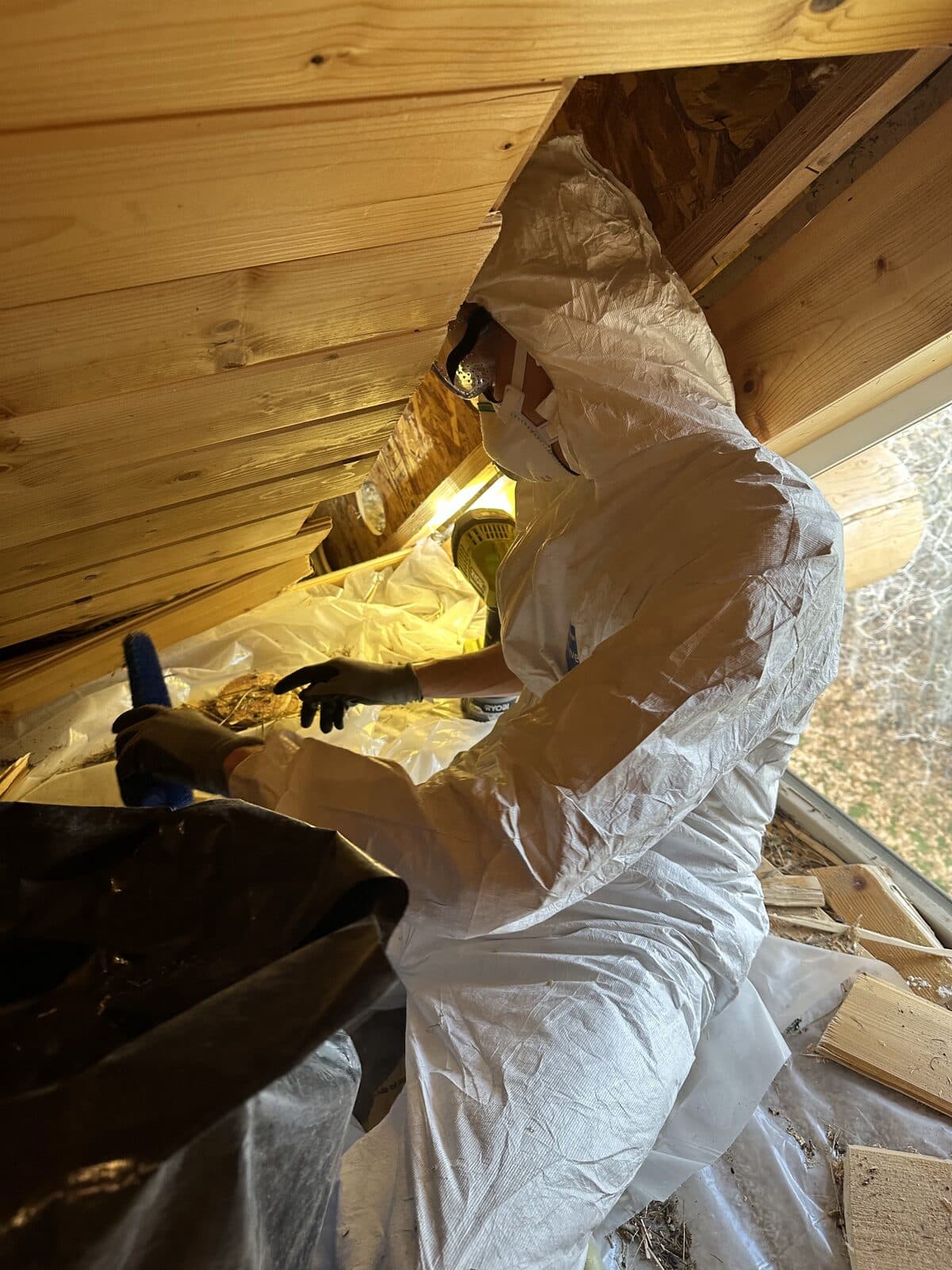
Once the bats are out, droppings and soiled insulation can be removed and the attic sanitized, with crews wearing appropriate protective gear.
We walk the roofline, eaves, vents, chimney, and attic to find every gap bats are using — and the ones they could use. Montana bats can squeeze through openings of about 3/8 inch.
Every opening that isn't an active entry is sealed first, so the colony is left with only its main doors.
Netting or one-way tubes go over the active entries. Bats leave at dusk to feed and can't get back in. FWP guidance calls for leaving devices up at least five nights, including three nights of good flying weather.
Once the bats are out, the devices come down and the last entries are permanently sealed. Guano and contaminated insulation can then be removed.
Big brown bat pups are typically born in mid-to-late June and flying by mid-July; little brown myotis have one pup in late June or July. FWP builds its guidance around that.
Apr–Aug
Maternity season — no exclusion
FWP: never exclude bats May through August, when flightless young may be inside. FWP's exclusion guidance treats April 1–August 31 as the default maternity period.
Sep–Oct
Best exclusion window
By September the young can fly. Fall, before bats settle in to hibernate, is FWP's preferred time to exclude.
Nov–Mar
Hibernation — inspect & plan
Many bats winter in caves and mines, but big brown bats sometimes hibernate in buildings. Don't exclude bats hibernating in a structure.
Want the biology first? Read our Montana bat guide.
Sealing secondary gaps and installing one-way devices is usually done in a visit. The devices then stay up at least five nights, including three nights of good flying weather, before the final entries are sealed — that's FWP's minimum, and cool Montana nights can stretch it.
No. FWP says never to exclude bats from May through August, when young that can't fly may be in the roost. We can inspect and plan during summer and schedule the exclusion for when the young are flying.
No. Exclusion lets bats leave on their own. Montana FWP treats bats as protected nongame wildlife and recommends humane exclusion.
Montana's field guide notes bat houses can provide alternate roosts. Putting one up before or after exclusion gives the colony somewhere nearby to go.
If anyone may have had contact with it, don't release it — call your county health department about rabies testing. Each of our city pages lists local animal control and health department numbers.
Phone numbers and agency roles were checked against the linked pages in November 2026. Agencies change numbers — confirm on their site if a call doesn't connect.
Humane bat removal and exclusion in Montana. Call or send a request and we'll set up an inspection.
Or email wildlifespecialistsgroup@gmail.com