Missoula · Missoula County
Bat removal in Missoula, Montana
Bat exclusion for Garden City homes from the Northside to the South Hills.
Bats and Missoula homes
Missoula sits where five valleys meet along the Clark Fork River. About 13% of its homes predate 1940, and the city's older neighborhoods — with their wood siding, porches, and attic vents — sit alongside decades of newer construction. Missoula County health officials say bats are the most common rabies carriers in the county.
Local bats & habitat
Montana has 15 confirmed bat species. The two most tied to buildings are the little brown myotis — the most common bat in the state — and the big brown bat, which readily uses attics, walls, and other man-made structures. Both are found across Montana. The Clark Fork and Bitterroot river corridors that run through the Missoula valley provide insect-rich foraging close to neighborhoods. Missoula is west of the Continental Divide, where the fungus that causes white-nose syndrome was first detected in Montana in 2025 (at Libby Dam).
Missoula animal control & health contacts
Public agencies — not us. Call them for an animal emergency, a possible exposure, or rabies testing.
Missoula Animal Services
Bats found in a residence or acting unusually in public; pet exposures to bats
Contact listed by Missoula Public Health for bat calls.
Source ↗Missoula Public Health — Infectious Disease Program
Possible human exposures to a bat and rabies guidance
Missoula County's public health department.
Source ↗Two Missoula-area bats tested positive for rabies in October 2026
In October 2026, Missoula Public Health reported that two bats from the Missoula area had tested positive for rabies and reminded residents that bats are the most common rabies carriers in Missoula County.
Missoula Public Health (Oct 2026) — Reminders after two bats test positive for rabies ↗Missoula housing stock
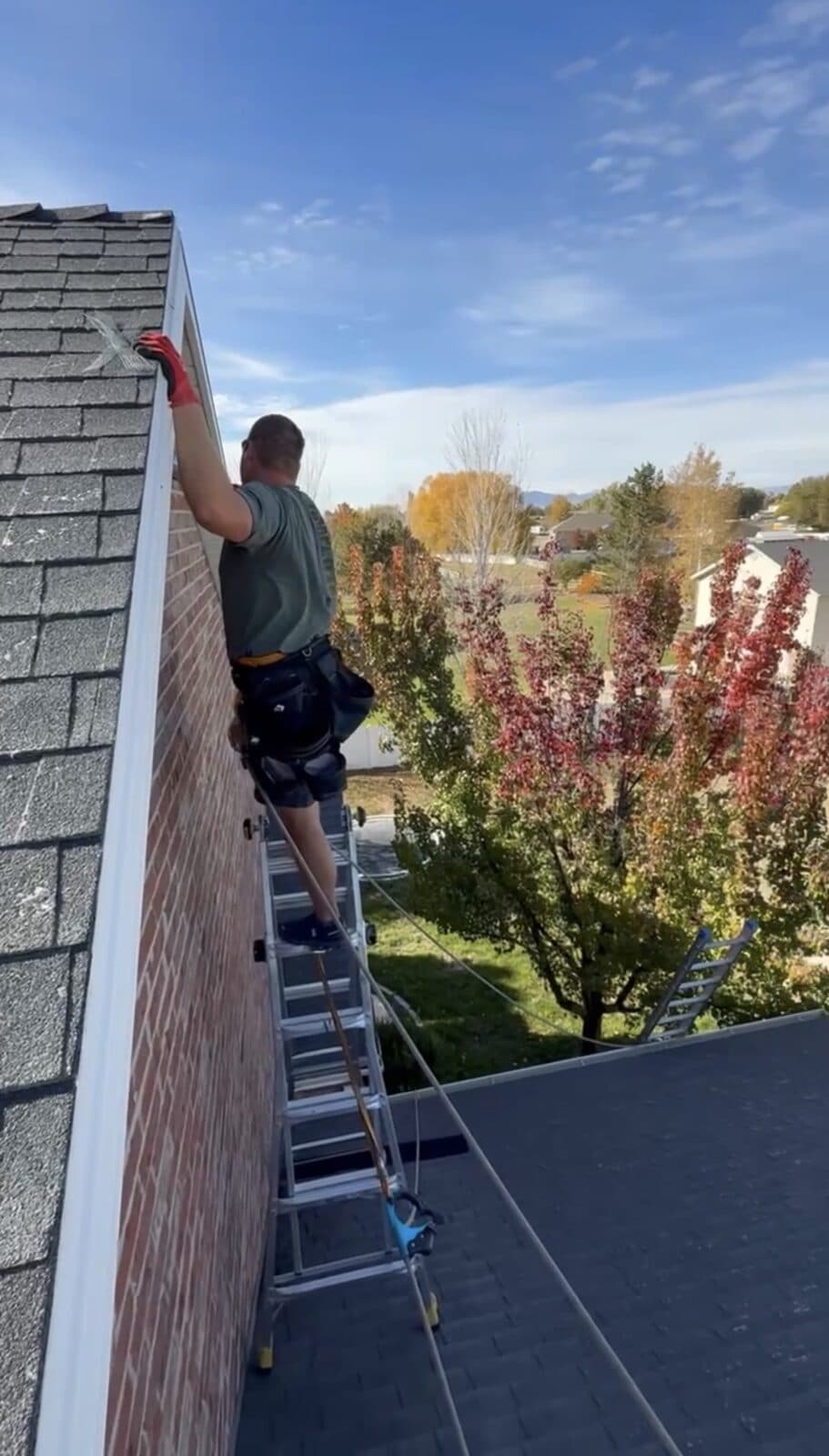
Nearly half of Missoula housing was built before 1980, and about one in eight homes predates 1940. On older wood-sided homes we look closely at corner boards, trim joints, attic and gable vents, and porch rooflines.
- Housing units
- about 37,300
- Median year built
- 1981
- Built before 1980
- about 49%
- Built before 1960
- about 26%
Built before 1940: about 13%. Source: U.S. Census Bureau ACS 2020–2024 5-year estimates (see sources).
When bats can be excluded in Missoula
The same statewide FWP timing applies here. See how our exclusion process works or the Montana bat guide.
Apr–Aug
Maternity season — no exclusion
FWP: never exclude bats May through August, when flightless young may be inside. FWP's exclusion guidance treats April 1–August 31 as the default maternity period.
Sep–Oct
Best exclusion window
By September the young can fly. Fall, before bats settle in to hibernate, is FWP's preferred time to exclude.
Nov–Mar
Hibernation — inspect & plan
Many bats winter in caves and mines, but big brown bats sometimes hibernate in buildings. Don't exclude bats hibernating in a structure.
Missoula bat removal FAQs
Who handles a bat inside a Missoula home?
Missoula Public Health directs bats found in a residence — or acting unusually in public — to Missoula Animal Services at (406) 541-7387. Possible human exposures go to the Missoula Public Health Infectious Disease program at (406) 258-3896.
Have bats tested positive for rabies in Missoula?
Yes. In October 2026 Missoula Public Health reported two bats from the Missoula area had tested positive, and noted that bats are the most common rabies carriers in Missoula County.
Does white-nose syndrome affect bats around Missoula?
The fungus that causes white-nose syndrome was first detected west of the Continental Divide in Montana at Libby Dam in 2025. That's another reason we use exclusion methods and timing that don't harm bats.
When is the best time to get bats out of my attic?
FWP says not to exclude bats from May through August, when young that can't fly may be inside. Once the young are flying — typically by September — and before bats settle in to hibernate is the best window.
Is my older Missoula home harder to bat-proof?
Often it takes more detail work. About 13% of Missoula homes predate 1940, and older wood-sided houses tend to have more trim joints and vent gaps. Bats need only about a 3/8-inch slit, so every gap matters.
Nearby service areas
Sources
- Missoula Animal Services
- Missoula Public Health — Infectious Disease Program
- U.S. Census Bureau ACS 2020–2024 5-year estimates via Census Reporter — Missoula, MT (tables B25034/B25035)
- Whitefish Pilot (Sept 2025) — WNS fungus detected on bats at Libby Dam
- Montana Fish, Wildlife & Parks — Living With Bats
- Montana Field Guide — Little Brown Myotis
- Montana Field Guide — Big Brown Bat
- MSU Extension — Bats in Homes
- Montana DPHHS — Rabies
Phone numbers and agency roles were checked against the linked pages in November 2026. Agencies change numbers — confirm on their site if a call doesn't connect.
Bats in your Missoula home?
Humane bat removal and exclusion in Missoula and Missoula County. Call or send a request and we'll set up an inspection.
Or email wildlifespecialistsgroup@gmail.com